The New Puppy Cleanup Routine: Your 2026 Pooper Scooper Playbook
Bringing home a new puppy is joyful, messy, and surprisingly relentless. Within the first week, most first-time owners realize that a reliable pooper scooper and a repeatable cleanup routine are just as important as food bowls and a cozy crate. A young dog can eliminate five or more times a day, and every missed pile becomes a hygiene problem, a training setback, and a stain on your floors or lawn. This 2026 guide walks you through building a calm, consistent waste-management system from day one, so cleanup stops feeling like chaos and starts feeling like second nature.
Good habits formed early shape the next decade of your dog’s life. If you set up the right tools and a predictable schedule now, house-training moves faster and accidents shrink dramatically. Let’s build that routine step by step.
Why a Pooper Scooper Routine Matters for a New Puppy
Puppies thrive on predictability. When cleanup happens the same way every time, your dog learns where to go and what to expect, which accelerates house-training. A dedicated pooper scooper also protects your back, keeps your hands clean, and lets you clear the yard in seconds instead of crouching over every mess.
There is a health angle too. Dog waste carries parasites and bacteria such as roundworms, giardia, and E. coli that can linger in soil for months. The Centers for Disease Control and Prevention recommends prompt removal and hand-washing to reduce the risk of zoonotic disease, especially in homes with children. Prompt pickup is not just tidy; it is genuinely safer.
What Waste Volume Should a First-Time Owner Expect?
Frequency depends on age, diet, and size, but younger puppies go far more often than adults. Use the general guideline below to plan how many cleanups your day will include.
- 8–12 weeks: often 5–6 bowel movements daily, usually soon after eating, waking, or playing.
- 3–6 months: typically 3–4 times a day as the digestive system matures.
- 6–12 months: around 2–3 times a day, settling into an adult rhythm.
Building Your Daily Cleanup Schedule
Consistency beats intensity. Rather than one big cleanup, tie small pickups to moments you already remember, such as meals and walks. This keeps waste from accumulating and reinforces your puppy’s potty spot.
- Morning: take your puppy out first thing, then scoop any overnight yard messes before breakfast.
- Midday: clear the potty area after lunch and a play session.
- Evening: do a full yard sweep after dinner while the light is still good.
- Before bed: a final quick check so nothing sits overnight and hardens.
Keeping your Pooper Scooper nearby at the back door removes friction. When the tool is within reach, you actually use it, and the routine sticks. If you ever want extra help establishing a household system, an experienced local team can share workflow templates that translate surprisingly well to pet-care habits.
Choosing the Right Tools for the Job
Not every scooper suits every yard. Rakes and bins work on grass but jam on hard surfaces; jaw-style scoopers grab from any surface but need bagging afterward. A quality Pooper scooper should feel balanced, reach the ground without a deep bend, and clean easily. Pair it with durable, leak-resistant waste bags so pickup and disposal happen in one smooth motion.
Scooper Types Compared
| Tool Type | Best Surface | Bagging Needed | Ease for New Owners |
|---|---|---|---|
| Jaw / claw scooper | Grass, concrete, gravel | Yes | Excellent |
| Rake and pan set | Grass only | Sometimes | Good |
| Bag-only pickup | Any (walks) | Yes | Fair |
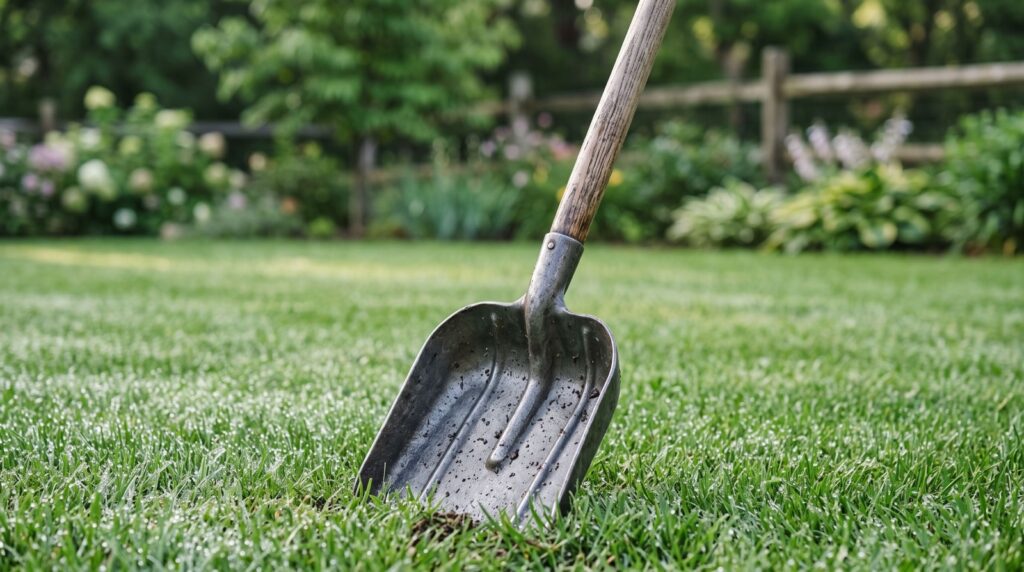
| Flat spade scoop | Hard surfaces | Yes | Moderate |
For a first-time owner juggling both a yard and neighborhood walks, a jaw-style scooper plus heavy-duty bags covers nearly every scenario. It handles the lawn at home and the bags travel with you on the leash.
House-Training Cleanup Without Sabotaging Progress
Indoor accidents are inevitable during training, and how you clean them affects whether they happen again. Dogs return to spots that still smell like a bathroom, so ordinary soap is not enough. You need to break down the odor at a chemical level.
- Blot fresh accidents immediately with paper towels before they soak in.
- Use an enzymatic cleaner that digests organic residue rather than masking it.
- Avoid ammonia-based products, which smell like urine to a puppy and invite repeat marking.
- Let the area dry fully and keep the puppy away until it does.
The American Kennel Club notes that supervision and immediate, calm cleanup are the fastest route to a reliably house-trained dog. Punishment after the fact only creates fear and confusion, so keep your energy neutral.
Disposal, Hygiene, and Yard Health
Where the waste goes matters after you scoop it. Bagging and binning in your regular trash is the most common route for most households, and sealed, sturdy bags keep odor and leaks under control. Never toss dog waste into storm drains, and skip composting it in beds where you grow food.
Rinse your scooper after use and let it air-dry to prevent bacteria buildup. Wash your hands every time, even when you used a tool, because splash and contact happen more than you think. A small caddy by the door holding your scooper, a bag roll, and hand sanitizer turns cleanup into a 60-second habit.
Frequently Asked Questions
How soon can I start a pooper scooper routine with a new puppy?
You can start on day one. Even very young puppies benefit from a consistent potty spot and prompt pickup, and using a pooper scooper from the beginning teaches you the rhythm before waste volume peaks. Early consistency shortens the overall house-training timeline.
How often should I scoop the yard?
Aim for at least once daily, and ideally after each meal-and-play cycle while your puppy is young. Frequent pickup prevents parasite buildup, protects your grass, and keeps the potty area inviting so your dog keeps using it.
Do I really need a special scooper, or will bags do?
Bags are essential for walks, but a dedicated pooper scooper saves your back and speeds up yard cleanup enormously. For home use, a jaw-style scooper paired with heavy-duty bags gives you the best of both worlds.
What is the safest way to dispose of puppy waste?
Seal it in a leak-resistant bag and place it in your regular household trash. Keep waste out of storm drains and edible-garden compost, and always wash your hands afterward to reduce any risk of illness.
Start Your Puppy Off Right in 2026
A calm, consistent cleanup system is one of the most underrated gifts you can give a new puppy. With the right pooper scooper, a simple daily schedule, and quick, enzyme-based accident cleanup, you protect your home, your lawn, and your dog’s health all at once. Build the habit now while the routine is easy to shape, and it will carry effortlessly into adulthood. Ready to equip your household? Explore GoGo Stik’s scoopers and Dootie heavy-duty bags today and make puppy cleanup the easiest part of your new adventure.